


Table of Contents
- Why the Best Organic Skincare Brands Earn Their Label
- The Benefits of Organic Skincare: What Changes When You Switch
- How to Identify Clean Beauty Products Before You Buy
- Best Organic Skincare Tools and Products for Every Routine
- Organic Skincare for Sensitive Skin: What to Look For
- Preservatives, Shelf Life, and the Truth About Natural Marketing
- Conclusion
- Frequently Asked Questions
Last Updated: October 7, 2026
Why the Best Organic Skincare Brands Earn Their Label
The best organic skincare brands prove what is in the bottle, not just print a leaf on the label. That distinction matters because "organic" is not a regulated cosmetic term in the United States the way it is for food (the FDA).
At LumBrook, we curate wellness and personal care products for busy households, so we spend a lot of time reading ingredient decks. The FDA's guidance on cosmetic labeling sets the rules for what a label must disclose, and it does not include a legal definition of "organic" for cosmetics.
Below, we break down how to read a label, which ingredients support your skin barrier, and which tools make an organic routine work harder, plus the part most guides skip: preservatives and shelf life.
The Benefits of Organic Skincare: What Changes When You Switch
The main benefit of organic skincare is a shorter, more predictable ingredient list, which matters most for reactive or sensitive skin. The real payoff is mechanical: fewer synthetic fragrance compounds and harsh surfactants means less disruption to the skin barrier and its microbiome.
"Natural" does not automatically mean gentle, essential oils are plant-based and can still trigger contact dermatitis. The benefit comes from the overall formulation, not a buzzword on the box.
Barrier Support and Fewer Irritants
Your skin barrier is the outermost layer, the stratum corneum, a brick-and-mortar structure of corneocytes ("bricks") held together by lipids: ceramides, cholesterol, and free fatty acids ("mortar").
Formulations built around plant-based oils, glycerin, and ceramides support that layer rather than dissolve it. A few mechanisms worth knowing:
- Glycerin is a humectant that pulls water into the upper layers and has been shown to support barrier recovery.
- Ceramides replace the lipids that harsh cleansers remove; look for them alongside cholesterol and fatty acids, since the ratio matters more than any single one.
- Jojoba oil is technically a wax ester that closely resembles human sebum, so it conditions without the heaviness of richer oils.
A common mistake is over-cleansing with strong foaming products. If your face feels tight after washing, the cleanser is too harsh regardless of its label, high-pH bar soaps and sulfate-heavy gels are the usual culprits.
Antioxidants, Cold-Pressed Oils, and Long-Term Skin Health
Cold-pressed oils retain more natural antioxidants because they are extracted without high heat, which degrades heat-sensitive compounds. Rosehip, jojoba, and argan are common in organic formulas for exactly this reason.
Here is what the well-known ones actually bring:
- Rosehip seed oil is rich in linoleic acid and naturally occurring vitamin A precursors (tretinoin-like compounds), which is why it shows up in brightening and texture-focused products.
- Argan oil is high in vitamin E (tocopherols) and oleic acid, making it a good emollient for drier skin.
- Jojoba is stable and non-comedogenic for most, which is why it appears in formulas for oily and acne-prone skin.
Antioxidants defend against everyday environmental stress, UV, pollution, and ozone generate free radicals that accelerate visible aging. They are no substitute for sunscreen, but consistent use supports a glowing complexion over time.
The Trade-Offs Nobody Mentions
Organic formulations are not automatically better. Two caveats:
- Preservation is harder. Water-based organic products need a preservative system, and some natural alternatives are less studied than synthetics. A brand that names its preservative beats one claiming to have none.
- Shelf life is shorter. Cold-pressed oils oxidize faster than synthetic blends, so a serum that smells off or changed color is past its useful life, even if the jar is not empty.
How to Identify Clean Beauty Products Before You Buy
To identify clean beauty products, read the full ingredient list in order, check for third-party certification, and confirm the brand discloses its preservative system. Front-of-box claims are marketing; the back panel is the evidence.
If a brand cannot answer these, treat the organic claim as decorative.
Best Organic Skincare Tools and Products for Every Routine
The right tools make an organic routine work better, helping actives absorb and supporting circulation without harsh ingredients. Every tool below pairs with a sensitive skin-friendly routine.
| Tool | Price | Best For | Standout Detail |
|---|---|---|---|
| Double-Sided Silicone Cleansing Brush | $29.52 | Daily cleansing | Two sides: exfoliate and cleanse |
| Bath & Body Massage Brush | $51.59 | Body care | Natural boar bristle, wooden handle |
| Electronic Gua Sha Massager | $96.21 | Firming and lifting | Warms to 45°C, three power levels |
| Microcurrent Facial Massager | $69.74 | Jawline and neck | Microcurrent firming for face and neck |
| Collapsible Silicone Ice Basin | $40.22 | Ice facials | Folds flat for storage |
Double-Sided Soft Silicone Facial Cleansing Brush
This tool is available for $29.52. One side has soft bristles for gentle exfoliation, the other a silicone surface for a delicate cleanse. It removes makeup, dirt, and impurities, suits all skin types, and its lightweight handle reaches the sides of the nose and jawline. Available in Blue, Pink, and Grey.


Bath & Body Massage Brush
This $51.59 brush uses natural boar bristles on a wooden handle with a long reach for your back. It works as both a bath brush and a massage brush, and it is made with low-waste, eco-friendly materials. It measures 13.7in x 3.5in x 2.5in and weighs 7oz.
Advanced Electronic Gua Sha Beauty Massager
This tool is available for $96.21. It targets face lifting, skin tightening, and rejuvenation, and works on dark circles, wrinkles, and enlarged pores. It warms to 45 degrees Celsius with three adjustable power levels. A 30-minute charge covers multiple sessions, and the compact body (107mm x 26.5mm x 26.5mm) travels easily.
Beauty Facial Massager with Microcurrent
For jawline and neck work, this microcurrent device costs $69.74. It is built for face and neck firming, jawline shaping, and lifting as part of a daily skincare routine, and its wavy head glides along facial contours.
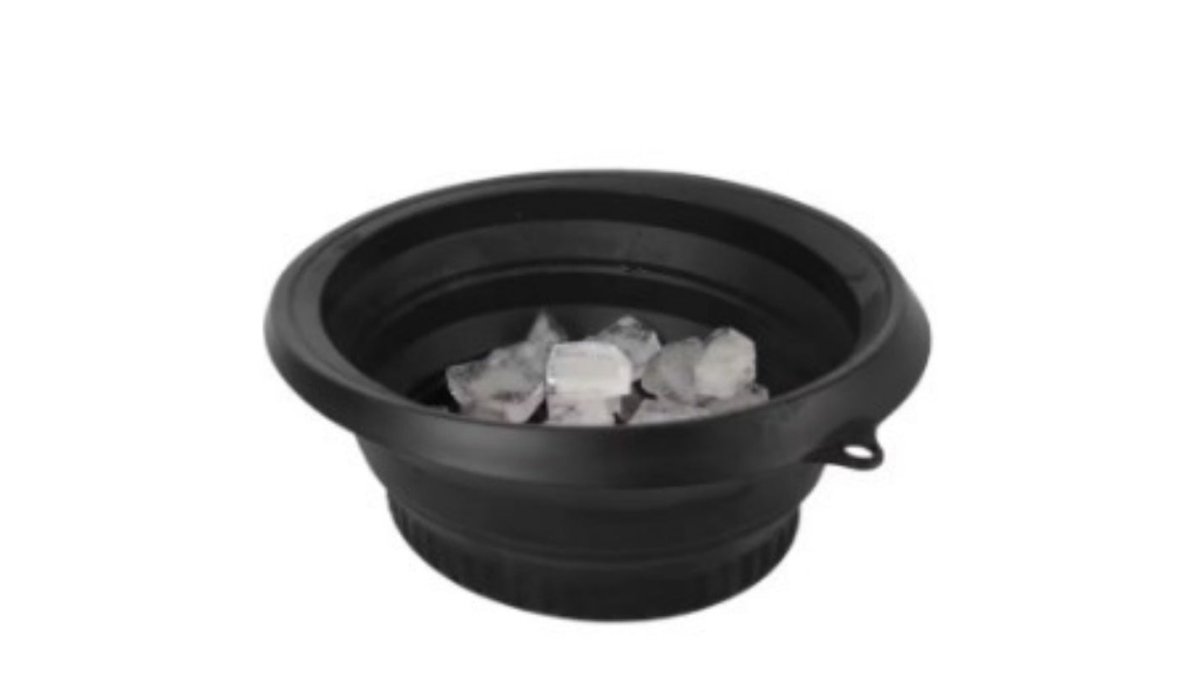
Collapsible Silicone Ice Basin
Ice facials are a simple way to reduce morning puffiness. This basin costs $40.22, measures 27 × 26 × 3.5 cm, and folds flat for storage. The flexible silicone wipes clean in seconds; it comes in Rose Red, Black, Green, and Purple.
Double-Sided Soft Silicone Facial Cleansing Brush →
Organic Skincare for Sensitive Skin: What to Look For
Organic skincare for sensitive skin should be fragrance-free, low in essential oils, and built around a short ingredient list. Fewer ingredients means fewer chances of a reaction, but the more useful lens is the skin barrier and microbiome, which most guides skip.
Start With the Barrier, Not the Label
Sensitive skin is often a barrier problem, not a skin-type problem. When the lipid mortar between corneocytes is compromised, water loss rises and irritants penetrate more easily. That is why the same product can sting one person and feel fine on another.
What actually helps:
- Ceramides, cholesterol, and fatty acids in a roughly physiological ratio, these are the barrier's own building blocks.
- Glycerin, hyaluronic acid, and panthenol (provitamin B5), humectants that draw water in and support recovery.
- Niacinamide, supports ceramide production and can reduce visible redness at typical cosmetic concentrations.
What tends to hurt:
- Fragrance and essential oils, limonene, linalool, and citronellol are common sensitizers even when they are plant-derived.
- Alcohol denat in high concentrations, it can be drying and disruptive.
- Physical scrubs and high-pH cleansers, they abrade or strip the barrier rather than support it.
The Microbiome Angle
Your skin hosts a community of bacteria, fungi, and viruses, the skin microbiome, that keeps harmful organisms in check and supports barrier function. Harsh surfactants and preservatives can disturb that balance, which is one reason some people react to products that look "clean" on paper.
A few practical implications:
- Prebiotic ingredients like oat, inulin, and certain plant sugars feed beneficial bacteria rather than wiping them out.
- Postbiotics (ferment filtrates) are increasingly used in sensitive-skin formulas for their soothing properties.
- Avoid over-cleansing. Twice daily with a gentle, low-pH cleanser is usually enough; more frequent washing strips the barrier.
Hypoallergenic and dermatologist-tested labels help but are not guarantees, neither term has a single legal definition in the U.S. Patch-test any new product on your inner forearm for two days before using it on your face.
A Simple Sensitive-Skin Routine
- Cleanse with a fragrance-free, low-pH gel or cream cleanser. Skip foaming formulas if your skin feels tight afterward.
- Treat with one active at a time, niacinamide or a low-strength azelaic acid, rather than stacking several.
- Moisturize with a ceramide-containing cream to rebuild the lipid barrier.
- Protect with a mineral sunscreen (zinc oxide or titanium dioxide), which tends to be better tolerated than chemical filters for reactive skin.
If your skin stings, burns, or turns red when you apply a product, stop using it. Sensitivity is a signal, not a challenge to push through.
Preservatives, Shelf Life, and the Truth About Natural Marketing
A preservative-free skincare product is usually a marketing claim, not a safe one.
Synthetic-free sounds appealing, but some synthetic preservatives are better studied and gentler than natural alternatives.
Shelf life matters just as much. Cold-pressed oils and antioxidant serums degrade faster than water-based products, so check the period-after-opening symbol.
Transparency is the real differentiator. A brand that names its preservative system and publishes a shelf-life guide is telling you it has nothing to hide.
Conclusion
Choosing among the best organic skincare brands comes down to reading labels carefully and building a routine you will actually keep, harder than it sounds when every brand claims to be clean.
LumBrook offers tools that can enhance an organic routine, including the Double-Sided Soft Silicone Facial Cleansing Brush, the Advanced Electronic Gua Sha Beauty Massager, and the Collapsible Silicone Ice Basin.

Shop Now at LumBrook and build a routine that supports your skin barrier every day.
Frequently Asked Questions
How can I verify if a skincare brand is truly organic?
Check for third-party certification such as USDA Organic, which requires 95% or more organic ingredients. Look for a full ingredient list on the label, not just front-of-pack claims. Brands that practice transparency will list every component, including preservatives and fragrance sources. If a company only says 'natural' without certification or a complete ingredient breakdown, treat the claim as marketing rather than proof.
What are the benefits of switching to organic skincare products?
Organic formulas typically skip parabens, sulfates, and phthalates, which reduces the chance of irritation for reactive skin. Plant-based antioxidants and cold-pressed oils can support the skin barrier and help with hydration over time. Many people also find that botanical extracts cause fewer flare-ups than synthetic fragrance. The switch works best when you introduce one product at a time and give your skin two to three weeks to adjust.
Which organic skincare products are best for sensitive skin?
Look for fragrance-free formulas with short ingredient lists, hypoallergenic claims, and dermatologist-tested labels. Ingredients like colloidal oatmeal, aloe, and cold-pressed jojoba tend to be well tolerated. Pair gentle products with tools that reduce friction, such as a soft silicone cleansing brush. Patch-test any new product on your inner arm for 24 hours before applying it to your face.
Are organic skincare brands more effective than conventional ones?
Effectiveness depends on the formulation, not the organic label alone. A well-made organic serum with stable antioxidants can perform as well as a synthetic one, but natural formulas can break down faster without proper preservative systems. Check for a realistic shelf life, airtight packaging, and a manufacture or expiration date. Efficacy comes from the full formula, the concentration of active ingredients, and how consistently you use it.
What should I look for on a label to identify organic skincare?
Start with the certification seal, then read the ingredient list in order of concentration. Avoid formulas listing parabens, sulfates, phthalates, or synthetic fragrance if you want a clean product. Look for terms like plant-based, botanical extracts, cold-pressed oils, and vegan or cruelty-free certification. A brand that publishes sourcing details and batch dates is usually more trustworthy than one that only uses 'clean' as a headline.


