


Table of Contents
- Why Reusable Food Storage Bags Matter
- Reusable Food Storage Bags vs. Plastic Bags: What's the Real Difference
- Environmental Impact and Long-Term Cost Savings
- Best Foods to Store in Reusable Bags
- How to Clean Reusable Food Storage Bags Properly
- How Long Do Reusable Food Storage Bags Last
- Common Mistakes That Shorten Bag Life
- Frequently Asked Questions
Last Updated: October 14, 2026
Why Reusable Food Storage Bags Matter
Reusable food storage bags reduce waste and protect food quality. These durable alternatives to disposable plastic bags store everything from leftovers to meal-prepped ingredients while cutting single-use plastic waste.

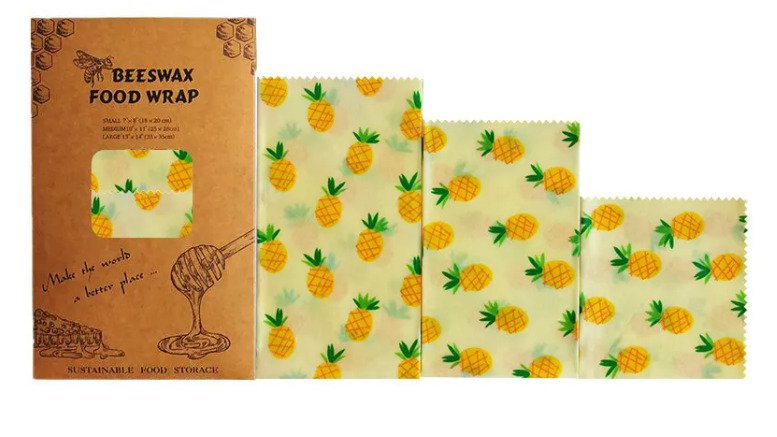
The shift toward reusable food storage bags reflects a practical recognition: what you use repeatedly saves money, reduces clutter, and aligns with how most households manage food.
Reusable food storage bags handle freezer storage without cracking, keep food fresher than open containers, and take up minimal space, eliminating a roll of plastic wrap or box of disposable bags every month.
Reusable Food Storage Bags vs. Plastic Bags: What's the Real Difference
The core difference between reusable food storage bags and disposable plastic bags comes down to durability, upfront cost, and long-term value: disposables work once, while reusable food storage bags withstand hundreds of uses.
Disposable bags are cheaper per unit upfront, but using them three times per week burns through a box of 100 in seven months. Over five years, you'd spend significantly more than on a small collection of reusable ones that last that long.
Most disposable bags are thin polyethylene, designed to fail after one use. Reusable food storage bags are typically made from silicone, specialized plastics, or cotton-based materials (like our Beeswax Bags for Bread) that withstand repeated washing and freezing.

Airtight sealing is another difference: reusable food storage bags create a genuine seal that keeps food fresher and prevents freezer burn more effectively than the zip-lock on most disposables.
Environmental Impact and Long-Term Cost Savings
Most articles on reusable food storage bags make the environmental and cost case in vague terms. A more useful approach is to show the math, state the assumptions, and let you plug in your own numbers.
The break-even question, stated honestly
Every reusable bag carries an upfront manufacturing impact that a disposable spreads across a single use. The environmental case depends on how many times you actually use the bag before it fails, the break-even point, which varies by material.
A transparent cost-per-use model
Rather than quote a single "you'll save $X" figure, here is the structure you can fill in with your own prices:
- Disposable bags: Divide the box price by the number of bags. A box of 100 costing a few dollars works out to a few cents per use, but each use is a new bag, so cost per use equals cost per bag.
- Reusable bags: Divide the purchase price by the uses you realistically expect. A bag used three times a week for three years is roughly 450 uses, pushing cost per use well below a penny.
- Add washing cost: Hand-washing costs soap and a few seconds of water. If you run a dishwasher load primarily for bags, allocate a share of that cycle's energy and water cost to them.
- Add replacement frequency: If the seal fails after a few years, amortize the replacement across the total uses of both bags.
Run those four lines and most households find reusables win on cost per use within the first year or two of regular use.
Plastic waste avoided, with assumptions stated
A household using disposable bags a few times a week goes through roughly 150 to 300 bags a year, 1,500 to 3,000 over a decade. Switching to reusables removes that stream from your waste, assuming the bags are actually reused.
The environmental and financial case for reusable food storage bags is strongest when you track your own reuse count. The benefit is not automatic; it is earned through repeated use and gentle washing. Treat the bag as a multi-year tool, not a one-time purchase, and the math works in your favor.
Food waste as a hidden cost line
One cost rarely compared is the value of food not thrown away. Airtight sealing reduces freezer burn and slows spoilage, so fewer half-used portions go in the trash. For a household that cooks most nights, even a modest reduction in spoiled leftovers can offset a meaningful share of the bag's purchase price over a year.
What this section is not claiming
It is not claiming that reusable bags are carbon-neutral, recyclable in every municipality, or eliminate plastic waste entirely. Silicone and coated fabrics have end-of-life challenges, and most curbside programs do not accept them. If a bag is used a handful of times and tossed, it performs worse than the disposables it replaced.
Best Foods to Store in Reusable Bags
Reusable food storage bags work best where airtight storage and durability matter most. Leftovers, cooked pasta, rice, proteins, prepared meals, stay fresher in a sealed bag than in open containers or foil.
Freezer storage is where reusable food storage bags excel. Marinated meats, prepared meals, berries, and bread benefit from the airtight seal that prevents freezer burn, and silicone bags lay flat to save space versus rigid containers.
Dry goods work well too. Nuts, cereal, crackers, and snacks stay fresher in a sealed reusable bag than in opened packaging, since the bags keep moisture and air out.
Bread and baked goods deserve special attention. Our Beeswax Bags for Bread ($132.13) are specifically designed to allow bread to breathe while preventing it from drying out. This preserves freshness for longer than plastic bags, which trap moisture and can make bread soggy.
Raw produce is trickier. Leafy greens, herbs, and delicate vegetables need airflow, so a fully sealed bag can cause wilting.
How to Clean Reusable Food Storage Bags Properly
Cleaning is where reusable food storage bags either earn their keep or become a drawer full of regret. The advice below is organized by material, since beeswax-cotton bags have different heat limits.
Match the method to the material
- Coated fabric and beeswax-cotton wraps: Never dishwasher-safe. Wipe or hand-wash in cool water with mild soap, then air-dry. Hot water can strip the wax coating that makes them work.
If you are unsure about a specific bag, the manufacturer's care instructions override any general rule here.
The step-by-step routine that actually works
- Rinse immediately after emptying. Dried food residue is harder to remove and more likely to leave odor.
- Wash with warm water and mild dish soap. A soft sponge or bottle brush reaches corners without abrading the surface.
- Pay attention to the seal track. The zipper channel hides residue and lingers odors. Run a finger or soft brush along it.
- Rinse thoroughly. Soap residue can affect the taste of the next food stored.
- Dry completely before storing. Non-negotiable. Stand bags upright on a rack or hang them so air circulates inside. Full drying can take several hours to overnight.
Never store a bag while damp. Trapped moisture creates conditions for mold and persistent odor that survive later washing. If you are short on drying space, wash fewer bags at a time rather than stacking damp ones.
Dishwasher versus hand-washing: the real trade-off
The dishwasher is convenient but not free. Top-rack placement protects bags from the heating element, and skipping the heat-dry cycle avoids the most common cause of warping and seal degradation. A practical compromise: hand-wash bags used for oily or strongly flavored foods, and dishwasher-wash bags used only for dry goods or plain produce.
Odor, staining, and what actually removes them
Silicone and plastic bags can absorb odors and stains from tomato sauce, curry, turmeric, and oily fish. A half-hour soak in baking soda and water, followed by a normal wash, removes many odors; direct sunlight for a few hours acts as a mild natural bleach for stains. Neither is guaranteed for deep stains, and some discoloration is permanent, cosmetic, not a safety issue.
Food safety: raw meat, allergens, and cross-contamination
This is the part most cleaning guides skip.
- Raw meat and poultry: Use a dedicated bag, or wash it thoroughly with hot soapy water before using it for anything else. Never reuse a raw-meat bag for ready-to-eat food without a full wash.
- Allergens: If someone in your household has a severe allergy, keep separate bags for known allergens (peanut products, tree nuts, shellfish) and wash them separately. Residue can persist in seal tracks.
- Temperature control: Reusable bags do not replace refrigeration. Per USDA guidance, perishable food should not sit in the temperature danger zone, roughly 40°F to 140°F, for more than two hours. A sealed bag slows spoilage but does not stop bacterial growth.
- When to discard a bag: If the interior is scratched, the seal no longer closes, or a persistent smell survives washing, retire it. Scratches harbor bacteria and are difficult to clean.
Drying time and household reality
The most common reason people abandon reusable bags is drying logistics. Bags that cannot dry fully get stuffed back in a drawer damp, then smell, then get thrown out. A small drying rack dedicated to bags, or a few hooks above the sink, solves most of the problem. Rotating enough bags to allow a full dry cycle is the biggest habit that keeps reusables in service.
Buy enough bags to cover a full wash-and-dry cycle without rushing. If you use three bags a day, owning six to nine lets you wash and dry without ever storing a damp bag. That upfront quantity is what makes the routine sustainable.
How Long Do Reusable Food Storage Bags Last
High-quality reusable food storage bags typically last 5-10 years with proper care, depending on material, frequency of use, and maintenance.
Visible signs of aging include permanent staining, or a weakened seal. The bag still functions but may not keep food as fresh; many people continue using aged bags for dry storage.
LumBrook's product selections are built for durability. The Beeswax Bags for Bread, for instance, are made from high-quality cotton designed to last for years with proper care, washed, hung to dry, folded, and stored repeatedly without degrading.
Cost-per-use math strongly favors long-lasting bags. A $35 bag used three times per week for seven years works out to roughly 0.02 cents per use. Even if it only lasts three years, that's still far cheaper than disposables.
Common Mistakes That Shorten Bag Life
Storing bags while damp is the single biggest mistake.
Overfilling is another common error. Stuffing too much food into a bag stresses the seams and seal, causing premature failure.
Hot water or high heat shortens bag life significantly. Stick to warm water.
Squeezing bags too aggressively when removing air damages the seal over time. Gently press air out and let the seal close naturally.
Extended direct sunlight causes discoloration and material degradation. Keep bags in a cool, dark place when not in use.
Abrasive scrubbers or bleach damage the material. Mild soap, warm water, and soft cloths are all you need.
Not rotating between bags matters too. If you own three bags and use one constantly, that one wears out faster.
Switching to reusable food storage bags addresses a real problem: the constant cycle of buying, using, and discarding disposable alternatives.
At LumBrook, we understand sustainable living works best when it's convenient and affordable.
Frequently Asked Questions
Are reusable food storage bags better than disposable plastic bags?
Yes. Reusable food storage bags eliminate single-use plastic waste, reduce your household trash, and save money over time. A single reusable bag can replace hundreds of disposable bags throughout its lifetime. They also seal more effectively to prevent freezer burn and food spoilage, keeping your food fresher longer. The main trade-off is upfront cost and the need to wash them between uses.
Are silicone food storage bags safe for food?
Beeswax wraps are a natural food-safe option for covering bowls and produce.
Can you put reusable food storage bags in the dishwasher?
For beeswax wraps, hand-washing only is recommended to preserve the wax coating. Allow all bags to air-dry completely before storing to prevent odor retention and mildew. Proper drying is essential for maintaining the integrity of the seals.
How many times can you reuse a food storage bag?
High-quality reusable food storage bags can last for hundreds of uses, often 1,000 or more, when cared for properly. Lifespan depends on frequency of use, washing method, and storage conditions. Avoiding overfilling, harsh scrubbing, and extreme temperatures helps maximize durability and makes the long-term investment worthwhile.


